United States History
3 credits per course | Fully Online | Self-Paced (28 days–6 months)
COMING SOON
〰️
COMING SOON 〰️
Course Overview
U.S. History to 1865
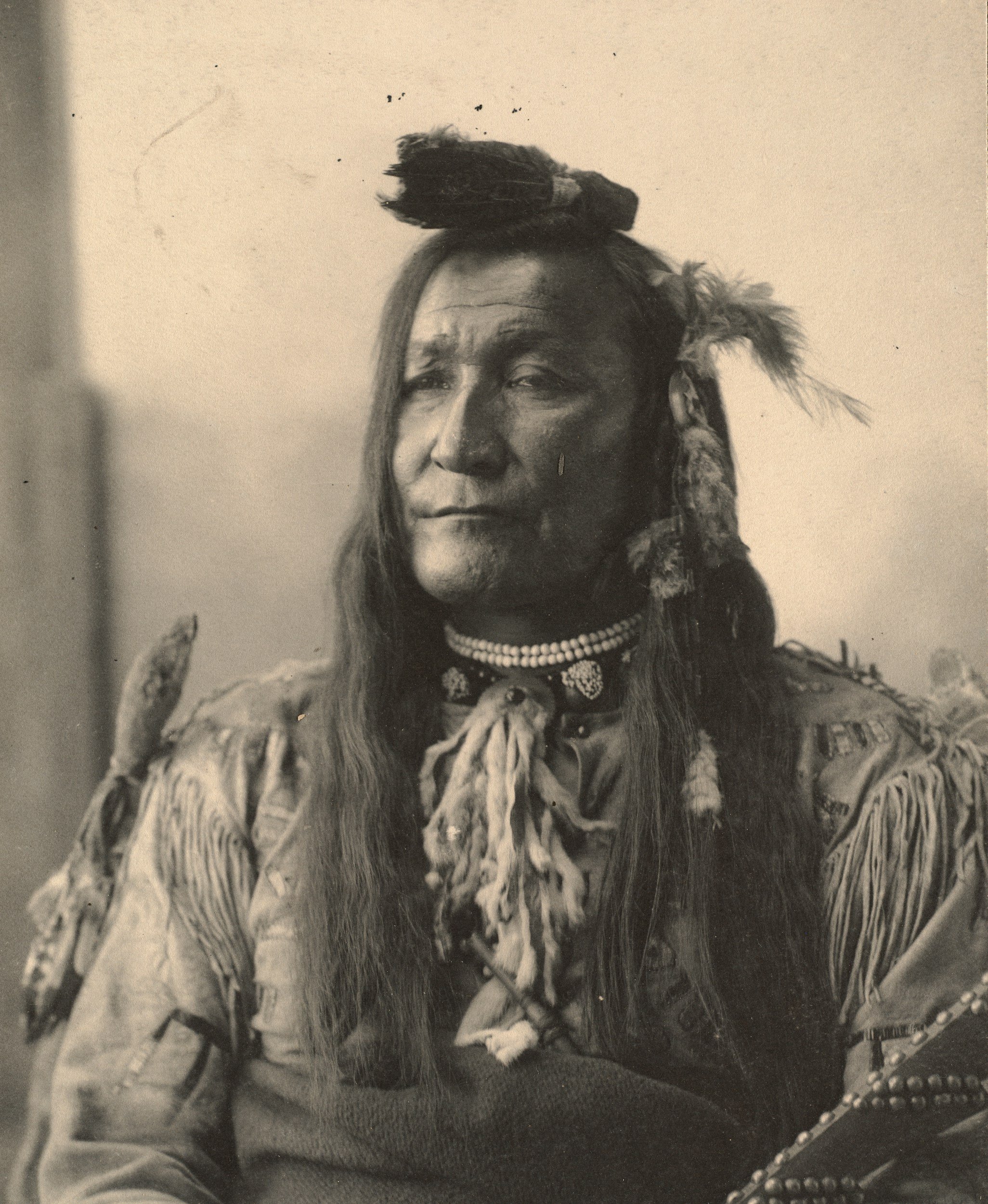
This course surveys the history of the United States from pre-Columbian Indigenous societies through the end of the Civil War and the beginning of Reconstruction. Emphasis is placed on political, social, economic, cultural, and intellectual developments that shaped early American history. Students will examine Indigenous civilizations, European colonization, the Atlantic World, the American Revolution, the formation of the U.S. Constitution, westward expansion, slavery, reform movements, and the sectional conflicts that culminated in the Civil War.
$450 (Includes registration and technology fees)
U.S. History from 1865 - present
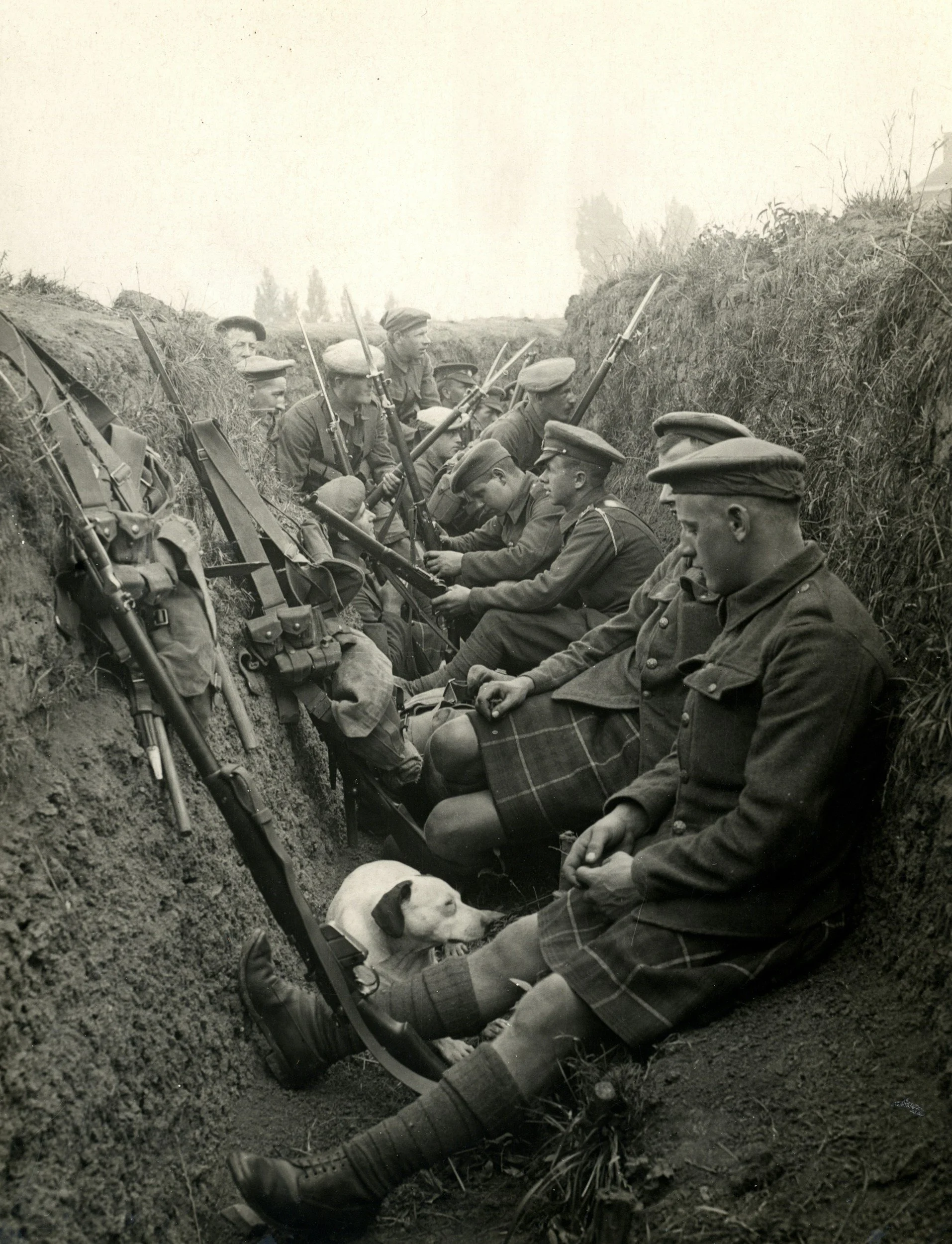
This course examines the political, social, economic, and cultural development of the United States from the end of the Civil War to the present. Emphasis is placed on Reconstruction, industrialization, westward expansion, immigration, reform movements, imperialism, the Great Depression, global conflicts, the Cold War, civil rights struggles, and contemporary issues.
$450 (Includes registration and technology fees)
Learning Outcomes
By the end of each course, students will be able to:
Explain major historical developments in North America and the United States from pre-contact Indigenous societies through 1865.
Identify and compare the experiences of diverse groups, including Indigenous peoples, enslaved Africans, women, immigrants, and political leaders, in shaping early U.S. history.
Describe the causes and consequences of key events such as European colonization, the American Revolution, the Constitutional Convention, westward expansion, and the Civil War.
Demonstrate historical thinking skills, including chronology, causation, continuity and change, and contextualization.
Explain major historical developments in the United States from 1865 to the present, including Reconstruction, industrialization, globalization, and modern political realignments.
Assess the impact of race, class, gender, ethnicity, and immigration on American society and politics during different historical periods.
Evaluate the role of the United States in global affairs, including imperialism, world wars, the Cold War, and post–Cold War conflicts.
Identify continuity and change over time in political institutions, economic systems, and cultural values.